Ten volumes · one method
You’ve never really heard your system.
The magic isn’t hiding in the next box. It’s in the setup. Follow the steps and the speakers disappear. The musicians are in the room with you.

Before you touch a speaker
Your system may already sound better than you think.
You just haven’t found the right place to listen.
Make your stereo disappear
The speakers disappear. The musicians appear.
The Audiophile’s GuidePaul McGowan
Chapter 33 · Tuning your system to the room
Move your chair.
If your eventual goal is to get the speakers to disappear so that the musicians magically appear as if they were playing live, then step one in the tuning process—finding where you’re going to sit—might seem counterintuitive.
After all, shouldn’t we be focused on dialing in the loudspeakers first? But determining your seating position is actually a critical step, and here’s why: our rooms are not friendly to bass notes.
Meghan Trainor has it right: it is all about that bass.
…
If a bass player plucks a low F note that’s about 43Hz (in frequency), its resulting pressure wave is about 25 feet long. If your room is less than that—let’s imagine 18 feet—how does that work? Well, truth be told, it kind of doesn’t—we get those nasty standing waves.
…
There are two ways to deal with this bass problem: 1) fix your listening position and move the speakers around, or 2) fix your speakers and move your listening position.
In our case … the obvious best course of action is to move our seat.
Setup is the system.
“I’ve spent fifty years putting music in people’s homes, and here’s the quiet part. Where the speakers sit, what the room’s doing, and how the system’s put together are easily three quarters of what you hear. Sometimes more. The expensive part is the smaller part.”
Paul McGowan
What readers are hearing
“Gotta say, this is the first time I achieved truly astonishing results.”
“The approach is thoughtful and carefully structured, the musical examples fantastically revealing and useful.”
“I promise it will be the best $60 and two Saturdays you’ve ever spent on hi-fi.”
“I was stunned by the amazing difference in the musical sound’s depth and sound stage and realism!”
“McGowan’s enthusiasm for music and high-fidelity sound is evident throughout, making the guide as enjoyable to read as it is useful to apply.”
Where to begin
“The difference is AMAZING (a big thank you to Paul McGowan!).”
“It’s hard to turn the system off.”
“This is the book to get.”
You did everything right. So why doesn’t it sound like the demo?
You read the reviews. You saved up. You bought the gear everyone swears by. Then you sat down, pressed play, and it was… fine. Just fine. Maybe you can’t even say what’s wrong. You just know it isn’t that.
- The singer’s stuck inside the speaker instead of standing between them.
- The bass booms in one chair and disappears in the next.
- Turn it up and it gets hard on the ears.
- You’ve swapped cables, read the forums, and collected forty opinions.
So you start shopping for the next box. Every upgrade that doesn’t fix it makes the next one look even more necessary.
Secrets from inside the guide
The secret to great sound isn’t what you think.
Let me share something that still amazes me. I can’t count how many times I’ve walked into demo rooms at high-end audio shows or dealers’ showrooms, places where you’d expect to hear the absolute pinnacle of audio reproduction. These rooms often contain systems worth hundreds of thousands of dollars—exotic speakers, massive monoblocks, turntables that cost more than a luxury car.
And you know what? Many of them sound absolutely terrible. Not just mediocre, but unlistenable.
The culprit?Poor setup.
But here’s the exciting part—I’ve also heard modest systems, assembled on reasonable budgets, that create magic. Systems that make you forget about the equipment entirely and connect you directly to the music. The difference? Setup, pure and simple.
Best of all, most of what we’re going to do doesn’t cost anything except time and effort. You won’t need expensive room treatments or exotic accessories (though we’ll discuss when and how these might help). What you will need is patience, attention to detail, and a willingness to experiment.
I’ve seen systems transformed from merely good to absolutely magical through nothing more than careful setup and optimization. I’ve watched skeptics become believers when they hear what their existing equipment is truly capable of. And I’ve experienced firsthand, countless times, how proper setup can bridge the gap between just playing music and creating that spine-tingling sensation of live musicians in your room.
That’s what we’re after, and that’s what I’m going to help you achieve. Are you ready to begin?
Discover the secrets of great sound
From The Stereo, Chapter 28 · Basic Setup
Pick your door.
 If something’s off and you don’t know what
The Stereo
The classic. The one you hand a friend. Start here.
Get it on Amazon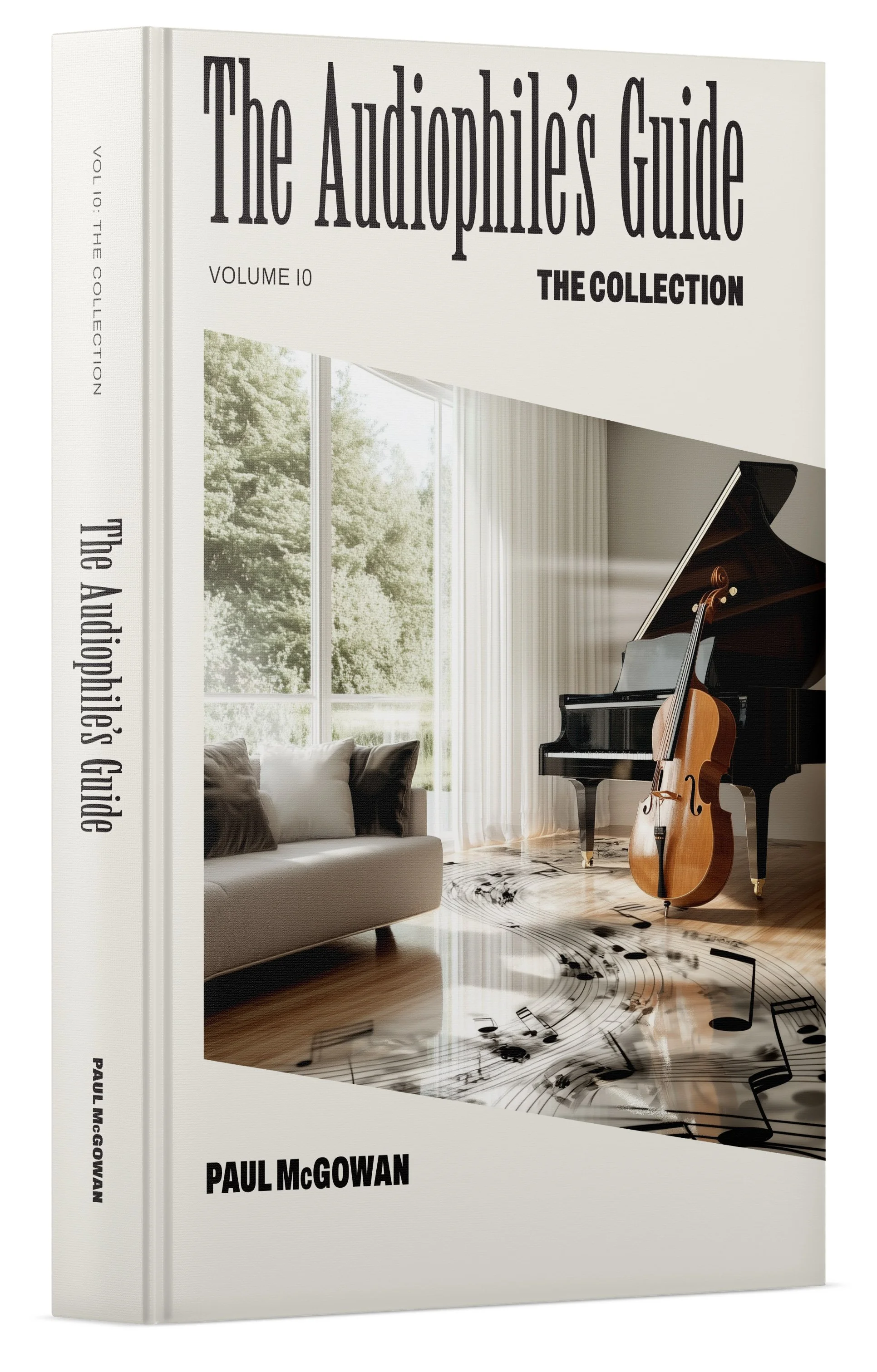 If you want the whole method, now
The Collection
The other nine, in short. The map before the deep dives.
Get it on Amazon If you want to be the one friends call
All ten
The complete bible. One subject per book.
Browse the setKnow exactly where it hurts?
Two Saturdays from now, the musicians could be in the room with you.
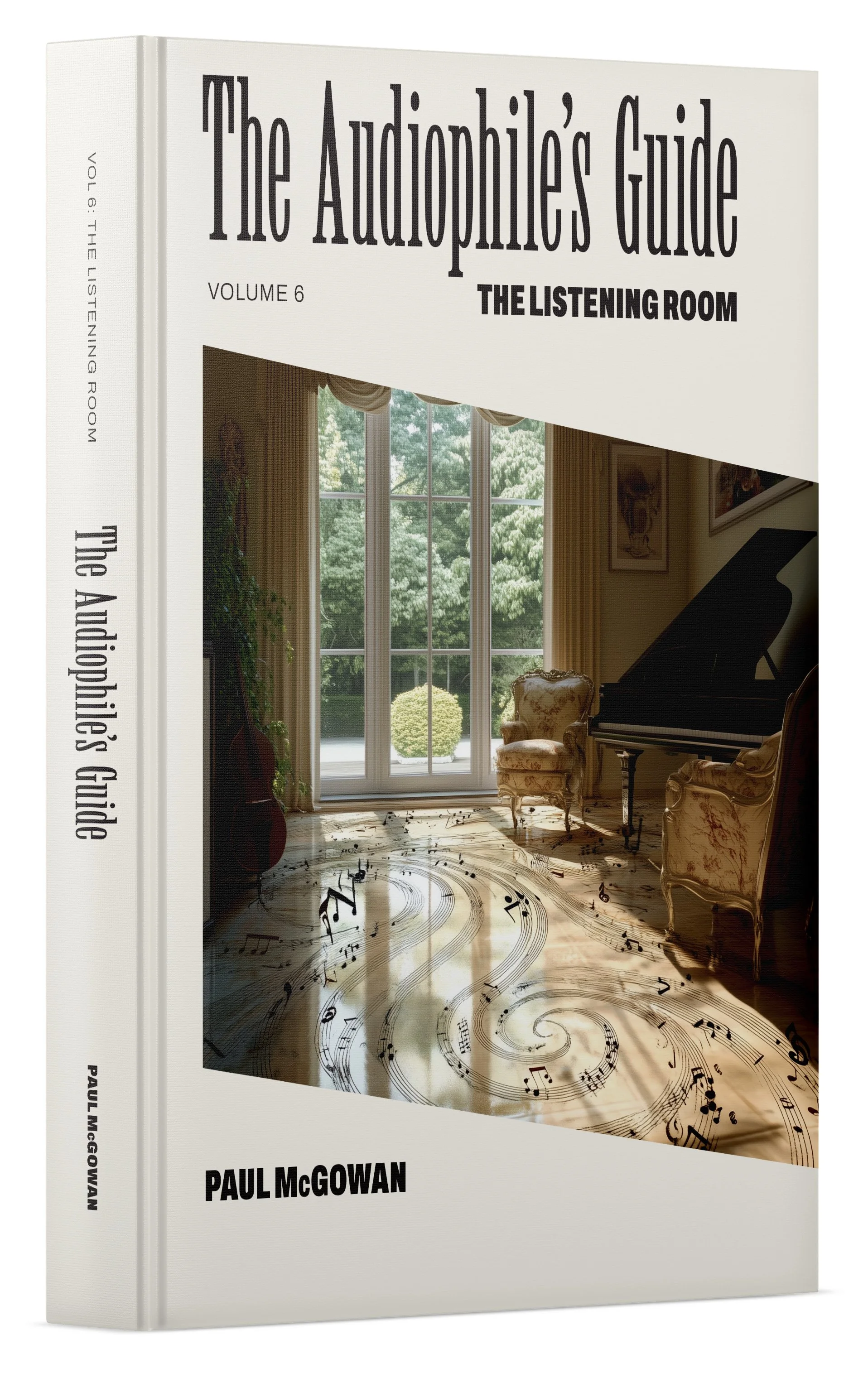
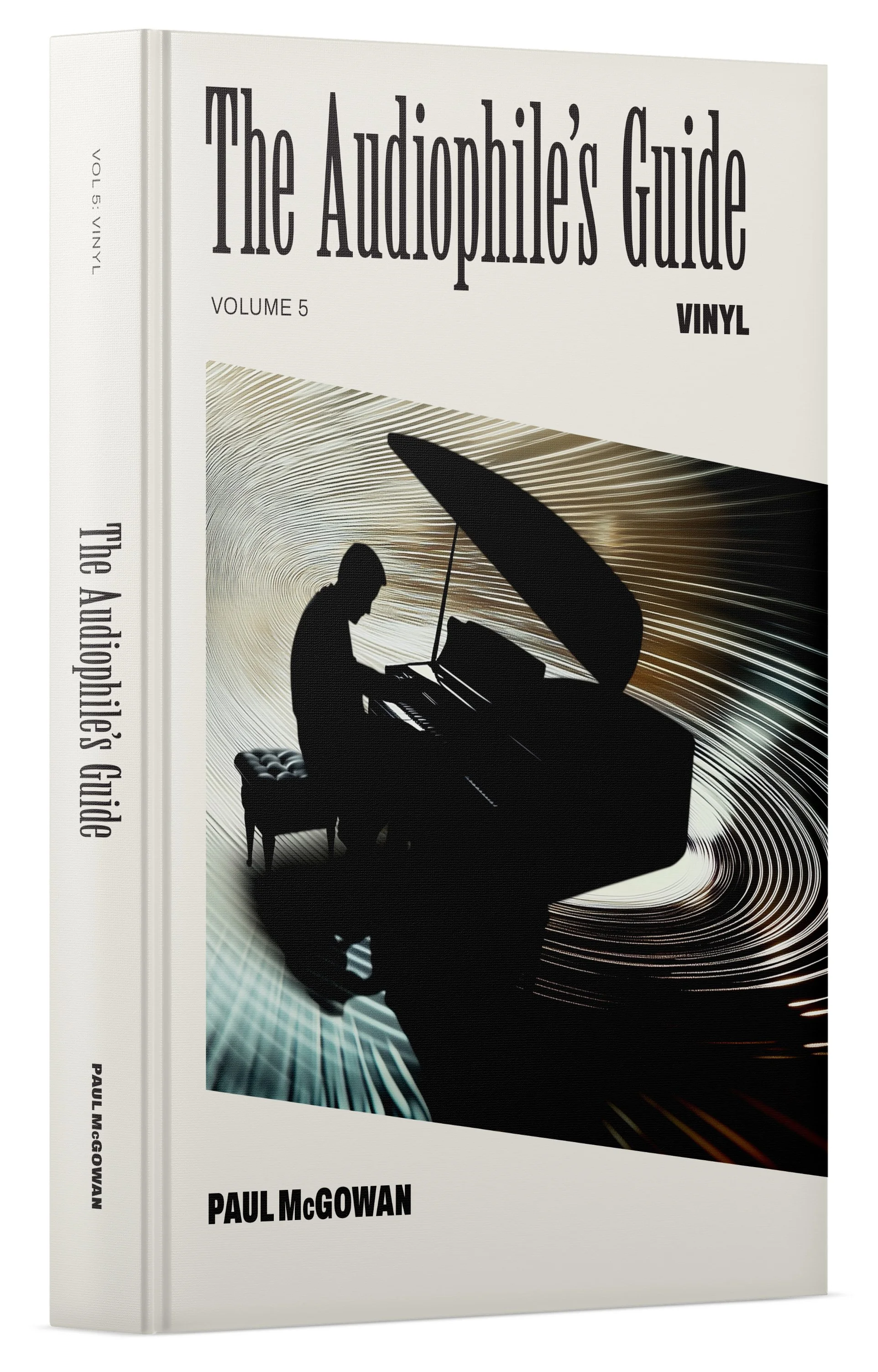
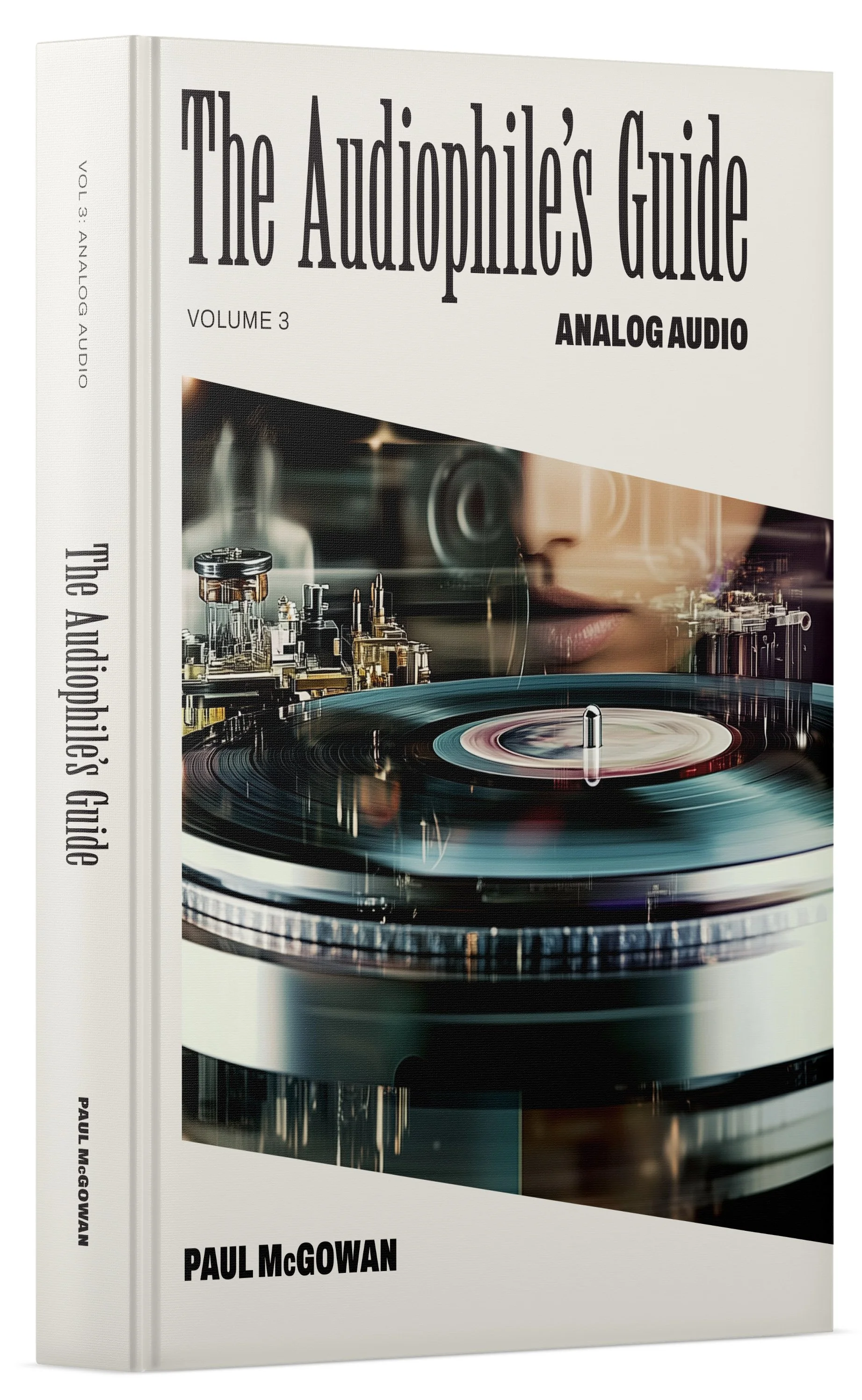
The ten.
Each one’s a complete setup guide. On Amazon, one at a time or the whole shelf.

“Highly recommended. I created a sound stage even with just two speakers and a subwoofer.”

A note when a new volume lands